
Cost of Care
Private treatment is too expensive for most, while free public services are severely overcrowded or inaccessible.
Counselling & psychosocial support
We offer counselling and emotional support to children and families who often have nowhere else to turn. Our trained facilitators create safe, confidential spaces so that pain can be heard and people can move forward.
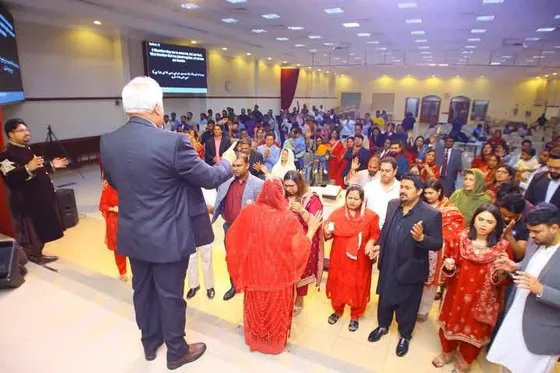
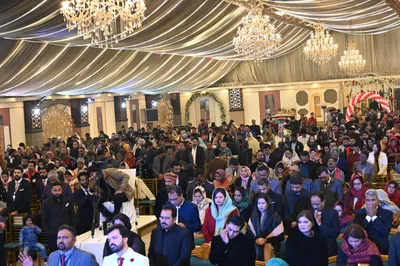 Cost & access
 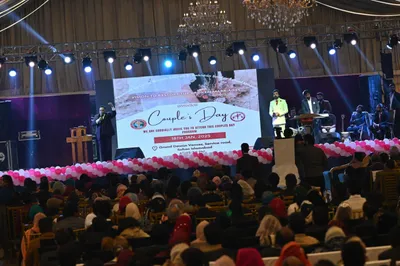 Awareness
 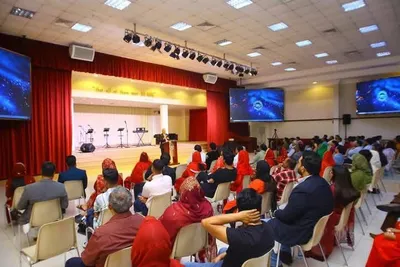 Infrastructure
 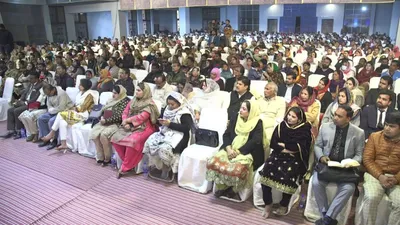 Stigma & culture
 The counselling gap in Pakistan
Pakistan faces a critical counselling gap, with a treatment gap for mental health estimated between 76% and 85%. This is driven by a severe shortage of professionals, deep-rooted social stigma, and inadequate infrastructure. The situation is particularly dire in rural areas, where professional help is almost nonexistent.
Barriers to access
Our response
We map our work directly to the barriers people face—so more families can access safe, dignified support.
How we tackle it
We provide free counselling in community-based spaces so cost is not a barrier, with no need for travel to expensive private clinics.
How we tackle it
We run awareness sessions and work through trusted community channels so people learn that emotional and mental distress are real and treatable.
How we tackle it
We don’t rely on hospital beds—we use community spaces and trained local facilitators, bringing support closer to where people live.
How we tackle it
We offer confidential, non-judgmental spaces and family-inclusive sessions so seeking help becomes acceptable and families can support recovery.
Who is affected
Young people facing stress, loss, or abuse often have no safe space to be heard.
Caregivers juggling poverty and trauma without support burn out or withdraw.
School pressure, identity, and future worries with nowhere to turn.
Disaster or violence leaves lasting emotional wounds with little follow-up care.
Our approach
We combine trained facilitators, safe spaces, and follow-up so that counselling reaches those who need it most.
One-to-one and family sessions in a safe, confidential setting.
Local facilitators trained in basic psychosocial support and referral.
Dedicated, calm spaces where children and adults can open up without judgment.
Ongoing check-ins and links to specialised care when needed.

Impact in numbers
From our programme data and participant surveys, we see real change in coping and wellbeing.
Source: Living Branch programme survey and records, 2024
Your support funds trained facilitators, safe spaces, and follow-up care so that children and families don’t have to face their pain alone.